
Introduction
Cloud operations teams today face constant pressure to move faster, do more, and reduce errors, often with limited resources. Azure Copilot provides an AI-driven solution to these challenges by automating infrastructure management, streamlining troubleshooting, and empowering business users to act independently using simple natural language commands.
An AI agent is a program designed to carry out tasks for a user or system by organizing workflows and using the tools it has access to. These agents can understand your intent and complete the job, making decisions independently. In cloud computing, where systems are large and complex, we can use AI agents to make it easier to manage cloud resources and automate workflows.
What is Azure Copilot?
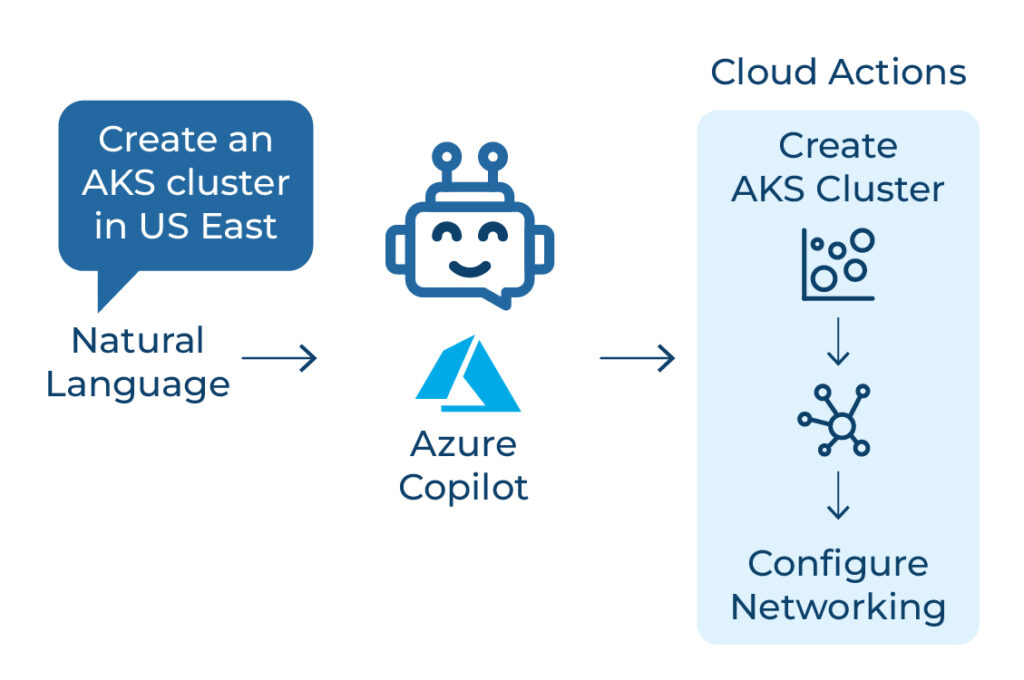
Azure Copilot is Microsoft’s AI-powered assistant integrated into the Azure cloud platform. It enables users to manage cloud resources using natural language, simplifying tasks like setting up servers, troubleshooting issues, and generating reports. Copilot Agent uses Azure OpenAI and its integration with Azure services to turn user requests into real, executable actions.
Core Capabilities Driving Cloud Efficiency and Security
- Natural Language Interaction: Communicate with Azure services using everyday language to perform tasks
- Context Awareness: Recognizes and works with current Azure configurations and resources
- Security and Compliance: Enforces role-based access control (RBAC) and Azure policy compliance
- Customizable Integration: Connects third-party services and APIs to enhance what the agent can do
- Data Integration: Accesses and processes information in various documents, systems, or cloud applications
How Azure Copilot Accelerates Decision-Making and Resolution
Developer
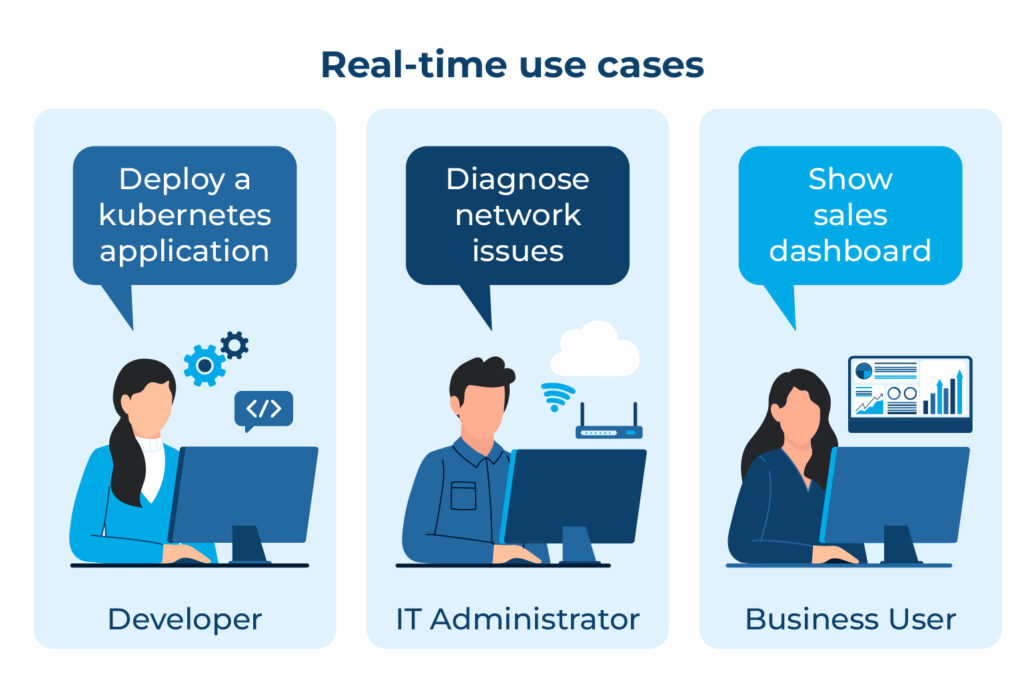
A developer working on containerized applications can use Azure Copilot to deploy an Azure Kubernetes Service (AKS) cluster. Instead of writing scripts and YAML configurations, the developer simply types, “Deploy a Kubernetes cluster with 3 nodes and connect it to my development resource group”. The agent handles the provisioning, networking, and security assignments automatically, reducing setup time from hours to minutes.
Example Potential Impact:
-
- Issue resolution time cut by up to 60% through automated diagnostics and fixes
- Network uptime improvement of 15-20% due to proactive remediation
- Operational workload reduced, lowering associated cost by up to 25%
IT Administrator
When facing performance degradation in a virtual network, an IT admin can type, “Diagnose latency issues in the East US virtual network”. The Copilot Agent pulls diagnostic logs, analyzes common failure points, and suggests actions like rebalancing load or adjusting firewall settings. It can also carry out the recommended fixes after user approval.
Example Potential Impact:
-
- Incident response and troubleshooting time reduced by up to 60%
- Network uptime improvement of 15-20% from proactive detection
- Automated report generation time cut by up to 90%
Business User
A sales team manager preparing for a monthly review can ask, “Show me this quarter’s sales pipeline for the North America region”. The Copilot agent connects to CRM data, generates a real-time dashboard, and presents visual summaries, without requiring expertise in Power BI or querying databases.
Example Potential Impact :
-
- Decision-making speed increased by up to 50%
- Manual reporting time reduced by nearly 90%
- Forecasting accuracy enhanced by around 20%
 Strategic Impact and Business Value
Azure Copilot is more than just a time-saver, it’s a game-changer for how businesses approach cloud operations and internal support.
- Democratization of Technology – With natural language interaction, non-developers such as analysts and project managers can manage workflows and access data previously restricted to technical teams, reducing IT dependency and expanding participation in digital initiatives.
- Faster Execution, Lower Costs – Copilot significantly reduces the time needed to complete tasks like provisioning infrastructure, retrieving reports, or debugging issues. This results in quicker deployments, fewer configuration errors, and fewer engineering hours spent on routine tasks.
- Enterprise-Ready Scalability and Security – Copilot capabilities scale across departments and teams, honoring RBAC and Azure governance standards. Sensitive data stays protected, and every action taken by the agent can be logged and audited. This ensures control, compliance, and visibility for cloud operations.
Considerations and Best Practices
- Provide clear instructions to ensure accurate task execution
- Maintain strict RBAC and monitor agent activities regularly
- Continuously evaluate performance and refine agent behavior
- Enable users with training for effective natural language interactions
Conclusion
Azure Copilot represents a significant advancement in cloud operations by offering intelligent assistance that streamlines tasks for users like developers and business analysts. By integrating Azure Copilot into your workflow, your organization can achieve greater consistency, accuracy, and productivity in managing cloud resources.