Why Podman is Emerging as a Secure Alternative to Docker
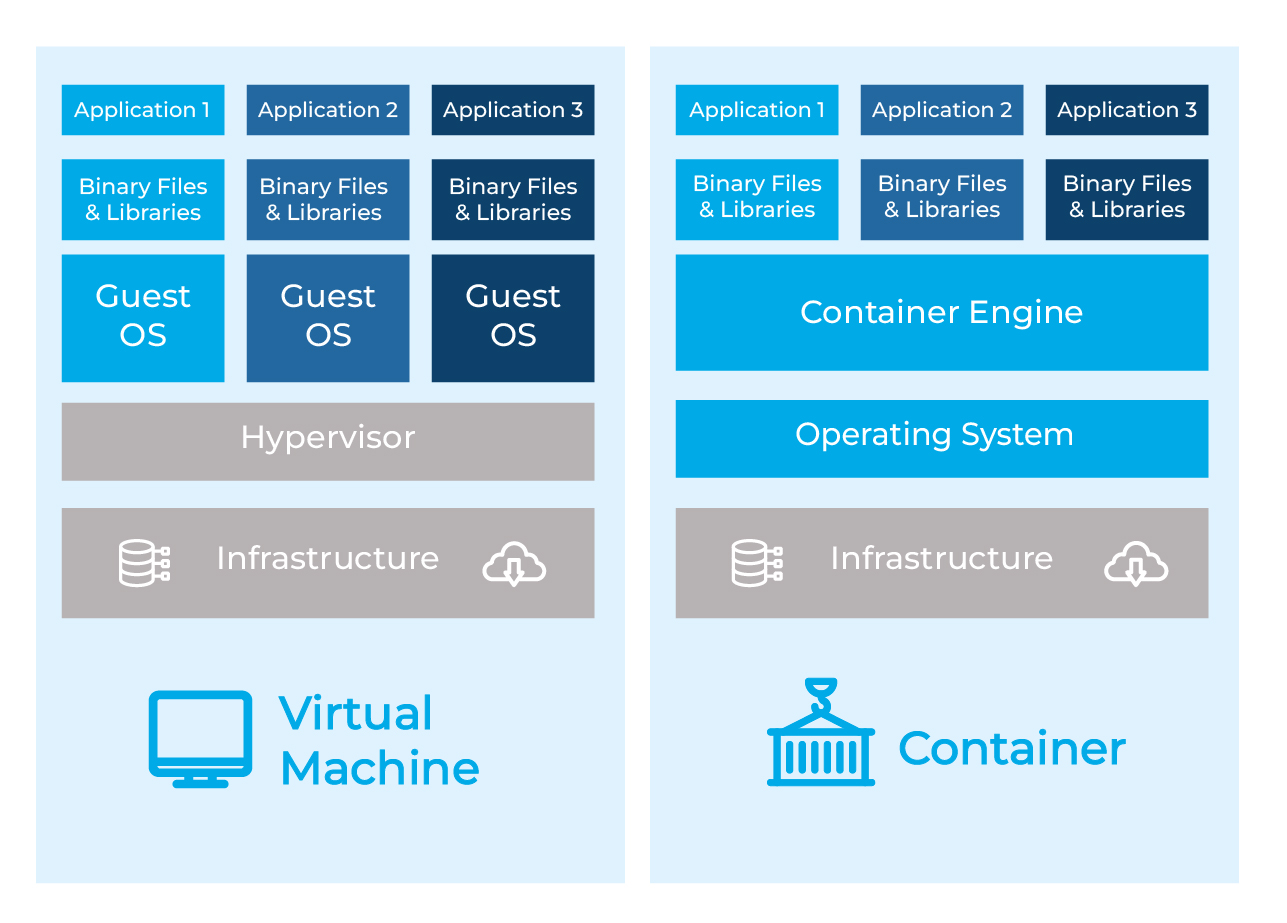
As applications become more distributed, maintaining consistency across development, testing, and production environments has become increasingly challenging. Dependency conflicts and deployment issues can impact reliability and slow delivery cycles. To address these challenges, containerization enables applications to run consistently across environments through packaged dependencies. With Podman Container Management, organizations can securely manage and deploy containers while improving consistency across development and production environments.
As a result, tools such as Docker and Podman have become essential for building and managing containerized applications efficiently. While Docker remains the most widely adopted container platform, Podman continues to gain attention due to its security-focused architecture, simplicity, and daemonless operation.
What is Podman?
Podman is an open-source container management tool used for:
- Building container images
- Running containers
- Managing container workloads
Designed as a Docker-compatible container engine, Podman allows Docker users to transition with minimal effort, as many commands follow a similar syntax. In addition, Red Hat developed Podman, and organizations widely use it across Linux and enterprise environments. Furthermore, its daemonless architecture eliminates the need for a continuously running background service, improving security and operational reliability.
Why Was Podman Created?
Docker uses a background service called a daemon to manage containers.
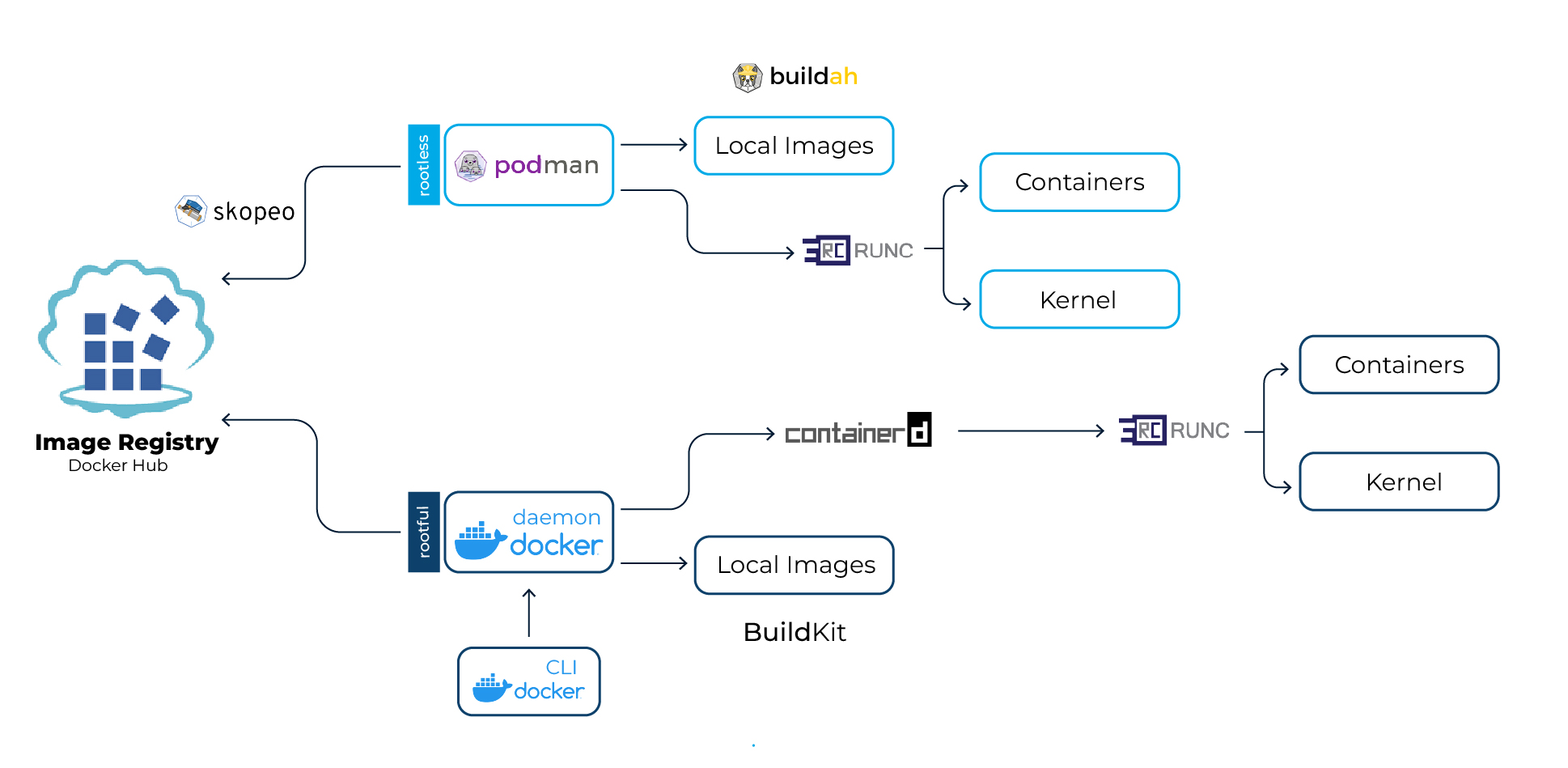
While effective, the Docker daemon introduces certain operational and security considerations:
- The daemon typically runs with elevated privileges, which may increase security risks.
- If the daemon fails, container management can be disrupted.
- It introduces an additional layer between the user and the container processes.
To address these concerns, Podman was developed with a daemonless architecture.
Unlike Docker, Podman does not require a daemon. Instead, it manages containers directly as child processes of the user session, enabling a simpler and more secure architecture.
Key Features of Podman
Daemonless Architecture
Podman does not rely on a background daemon to manage containers. Instead, the user process launches and manages each container directly.
Benefits:
- Improved security
- Reduced system overhead
- Enhanced reliability
Rootless Containers
Podman allows containers to run without requiring root privileges. As a result, this capability enhances security by minimizing privileged access and reducing potential risks in shared environments.
Benefits:
- Improved security
- Safer multi-user environments
- Better container isolation
Docker Compatibility
Podman is designed to be compatible with Docker, allowing users to reuse many Docker commands with minimal changes. Consequently, teams familiar with Docker workflows can migrate more easily.
Pod Concept
Podman introduces a pod-based architecture, similar to Kubernetes.
A pod is a group of containers that share:
- Network resources
- Storage volumes
- IPC (Inter-Process Communication) namespaces
This model makes it easier to develop and manage applications intended for Kubernetes environments.
Kubernetes Integration
Podman supports Kubernetes integration by allowing users to generate Kubernetes-compatible YAML files. As a result, developers can move containerized workloads to Kubernetes clusters more easily.
Podman vs Docker
| Feature | Podman | Docker |
| Daemon | No daemon | Uses a daemon |
| Security | Supports rootless containers | Daemon often runs with elevated privileges |
| Pods | Built-in pod support | Limited native support |
| Kubernetes Integration | Direct YAML generation | Requires additional tooling |
| Architecture | Daemonless | Client-server architecture |
Advantages of Podman
Podman offers several advantages for container management:
- Improved Security: Supports rootless containers to reduce privilege-related risks
- No Daemon Dependency: Containers operate independently without relying on a centralized background service
- Kubernetes-Friendly: Includes pod architecture aligned with Kubernetes concepts
- Lightweight Architecture: Generally consumes fewer system resources due to its daemonless design
For more detailed information about features and implementation, refer to the official Podman documentation.
Conclusion
Podman has emerged as a powerful container management tool focused on security, simplicity, and flexibility. Its daemonless architecture, rootless container support, and Kubernetes compatibility make it a strong choice for modern containerized workloads. As cloud-native adoption continues to grow, tools like Podman will likely play an increasingly important role in helping developers and enterprises build secure, resilient, and future-ready application environments.